What you pack for your Tanzania safari determines how comfortable, prepared and present you will be on the game drive. The right gear means warmer mornings, better photographs, and more energy for the long days — the wrong gear means distraction, discomfort, and missed moments.
This safari packing list has been developed by Serac Adventure's guide team in Moshi, based on years of watching what works and what clients consistently wish they had brought. It is designed for a 5–10 day northern circuit safari covering Tarangire, Serengeti, and Ngorongoro.
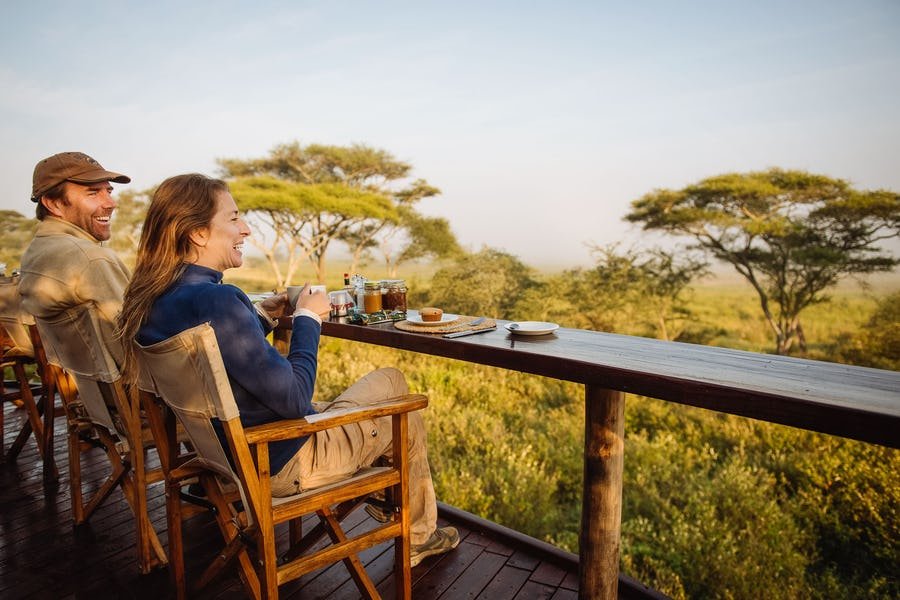
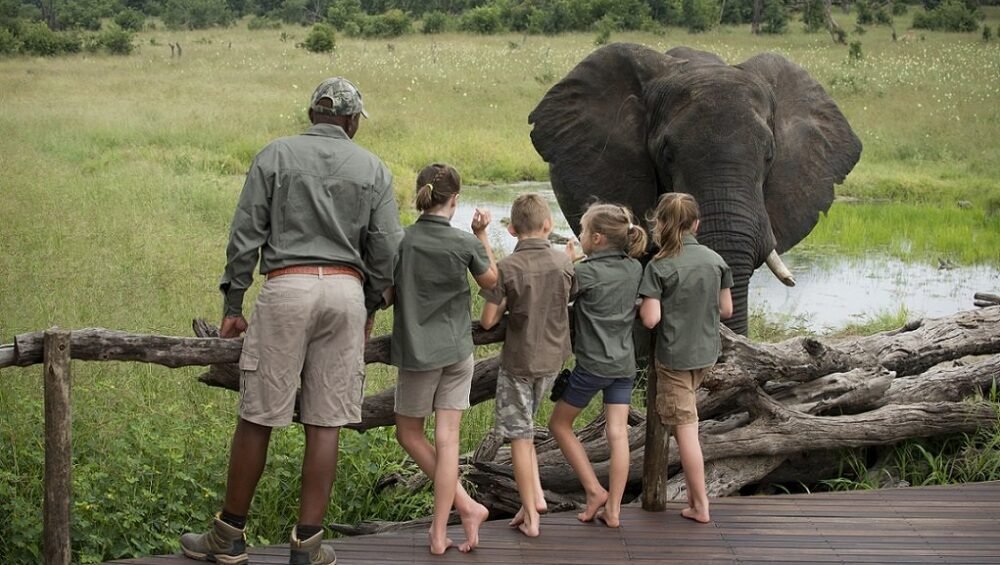
The golden rule: neutral colours only. Khaki, olive, beige, tan, grey, and brown. No white (shows dust immediately), no bright colours (disturb animals and other guests), and no black (attracts tsetse flies in certain areas).
Clothing
Essential layers
- Lightweight long-sleeve shirts (3–4): Long sleeves protect against sun and insects at dusk. Merino wool or moisture-wicking synthetic. Neutral colours only.
- T-shirts (2–3): For warm midday temperatures in the vehicle. Neutral colours.
- Lightweight fleece or mid-layer jacket: Mornings and evenings in the Serengeti and Ngorongoro can be surprisingly cool — 10–15°C before the sun rises. Essential.
- Windproof/light rain jacket: For pop-up roof game viewing and unexpected afternoon showers. Doubles as a wind layer on cool crater mornings.
- Safari trousers (2–3 pairs): Lightweight, quick-drying, and convertible (zip-off legs) if possible. Not jeans — heavy, slow to dry, and uncomfortable in heat.
- Shorts (1–2 pairs): For lodge days and warm midday temperatures.
- Underwear (5–7 pairs): Merino wool is excellent — odour-resistant and quick-drying.
- Warm hat and sun hat: Both. The sun at altitude is intense; the Ngorongoro Crater rim at 6am is cold.
- Sun gloves (lightweight): Optional but excellent for pop-up roof game viewing where your hands are in direct sun.
- Buff or neck gaiter: Invaluable for dust on dry-season game drives.
Footwear
- Closed walking shoes or light hiking boots: For walking safaris, lodge walks, and getting in and out of the vehicle. Sandals are not suitable.
- Sandals or flip flops: For evenings at the lodge.
- Socks (5–6 pairs): Include one warm pair for cold mornings.
Camera and photography
- Camera with telephoto lens (200mm minimum, 400mm+ ideal): Wildlife is not always at close range. A long lens transforms your safari photographs.
- Beanbag or window mount: Camera shake is the biggest challenge on game drives. A beanbag resting on the vehicle window frame stabilises even long lenses.
- Extra batteries (2+): Cold Ngorongoro mornings drain batteries fast. Keep one warm in your jacket pocket.
- Memory cards (multiple): You will take more photographs than you expect. 64GB cards are a good minimum.
- Lens cleaning kit: Dust is unavoidable on dry-season game drives.
- Waterproof camera bag or dry bag: For dust and occasional rain protection.
- Smartphone with downloaded offline maps: Google Maps offline (Tanzania) and iNaturalist for wildlife identification.
Health and personal care
- Sunscreen SPF 50+: Apply every 2 hours when on game drives. Equatorial sun at altitude is intense.
- Insect repellent (DEET-based): Apply at dawn and dusk. Tanzania has malaria risk below 1,800m.
- Antimalarial medication: As prescribed by your doctor — begin the course before departure.
- Lip balm with SPF: Wind and sun at altitude dry and crack lips within days.
- Hand sanitiser: For before meals when water is not available at bush lunch stops.
- Personal medications: With copies of all prescriptions. Bring more than you need.
- Antihistamine and antihistamine cream: For insect reactions.
- Rehydration sachets: Heat and game drive exertion cause faster dehydration than expected.
- Basic first aid kit: Blister plasters, antiseptic wipes, ibuprofen, bandages.
Binoculars
Binoculars are the single most transformative piece of safari equipment after a good camera. They change what you see — the leopard 300 metres away in the acacia, the oxpecker on the rhino's back, the cheetah cubs in the grass. Minimum 8x42 magnification. 10x42 is better for open Serengeti conditions.
Documents and money
- Passport: Original and digital copy stored separately.
- Tanzania eVisa: Print a copy and save digitally.
- Travel insurance certificate: With emergency number. Share with your guide.
- USD cash in small bills: $1, $5, and $10 for tips and small purchases. Tanzania is a cash economy outside of lodges.
- Credit card: For lodge bills and emergencies. Visa and Mastercard accepted at most lodges.
Other essentials
- Small daypack for the vehicle: For water bottle, sunscreen, camera, binoculars, and snacks during game drives.
- Reusable water bottle: 1-litre minimum. Lodges and vehicles refill. Reduces single-use plastic.
- Wet wipes: For cleaning hands, face, and camera lenses after dusty drives.
- Zip-lock bags: For protecting electronics from dust inside your bag.
- Small torch or headlamp: For moving around camp after dark.
- Book or e-reader: For lodge afternoons and long vehicle transfers.
- Wildlife identification guide: Kingdon Field Guide to African Mammals is the gold standard for Tanzania.
What NOT to bring
- Bright coloured clothing — red, yellow, white, or any vivid colour
- Heavy luggage — soft-sided duffel bags pack better in vehicles than rigid suitcases
- Perfume or strong cologne — attracts insects and can disturb wildlife
- Plastic bags — banned in Tanzania; use reusable alternatives
- Drones — illegal in Tanzania's national parks without special TANAPA permit

Serac Adventure
Serac Adventure is a locally owned tour operator in Moshi, specialising in Kilimanjaro climbing, Tanzania safaris, Mount Meru treks, Zanzibar holidays and day trips.